


When Trust Takes Time: Helping Traumatized Cats Heal

Not every cat arrives at a sanctuary ready for cuddles and chin scratches. Some arrive silent. Some hiss, hide, or freeze in fear. And some have learned—through no fault of their own—that humans are something to fear rather than trust.
For traumatized cats, healing doesn’t happen on a schedule. It happens slowly, quietly, and often in ways that are easy to miss if you’re not looking closely.
Trauma Leaves Invisible Wounds
Many of the cats who come to a sanctuary have experienced neglect, abandonment, abuse, or prolonged life on the streets. Others have survived hoarding situations, sudden loss of their caregivers, or repeated transfers between shelters.
While physical injuries may heal, emotional trauma can linger. A cat who avoids eye contact, startles easily, or refuses interaction isn’t being “difficult”—they’re protecting themselves the only way they know how.
Why Trust Can’t Be Rushed
Trust is not something you can demand from a traumatized cat. It must be earned, and it often comes in tiny steps:
The first time a cat chooses not to hide when a caregiver enters the room
A slow blink across the room
Sitting a little closer than the day before
Accepting treats without retreating
These moments may seem small, but they are monumental milestones for cats learning that they are finally safe.
Creating a Safe Space to Heal
At a sanctuary, healing begins with stability. Traumatized cats need predictable routines, quiet environments, and the freedom to set their own boundaries.
Caregivers focus on:
Consistent feeding schedules
Calm, gentle voices
Respecting a cat’s need for space
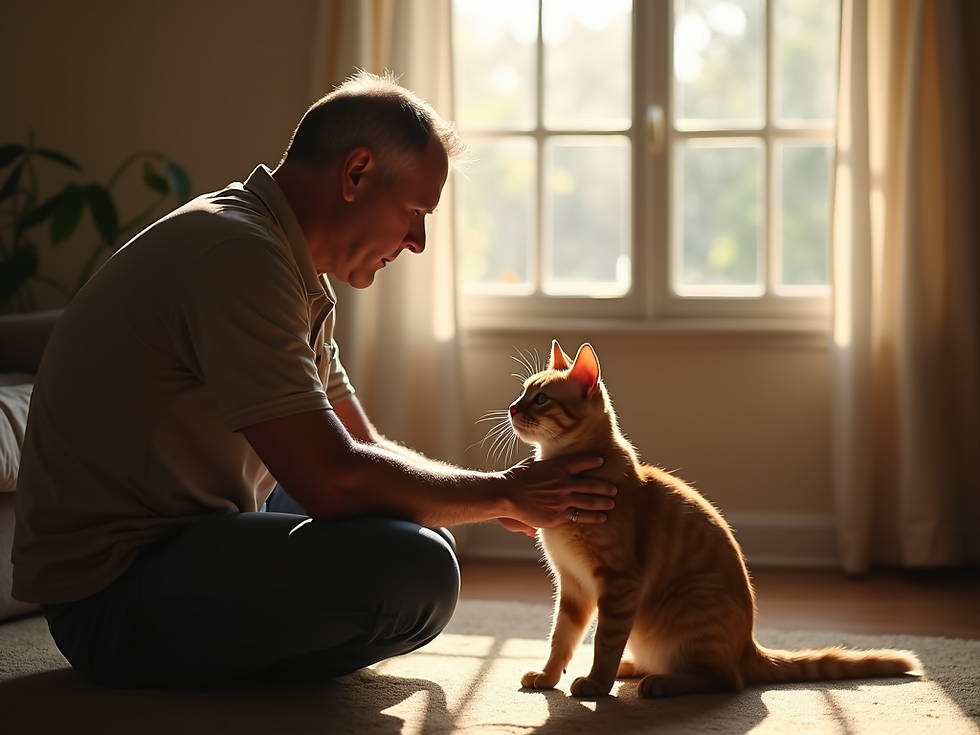
Allowing cats to initiate interaction
There is no forcing affection here. Every cat is allowed to move at their own pace—whether that takes weeks, months, or even years.
Love Looks Different for Every Cat
Some cats may never become lap cats, and that’s okay. Healing doesn’t always look like purring in someone’s arms. Sometimes it looks like a cat who once hid constantly now naps in the open. Sometimes it’s a cat who tolerates gentle conversation but still prefers independence.
At a sanctuary, success isn’t measured by how affectionate a cat becomes—but by how safe they feel.
Patience Is a Form of Love
Helping traumatized cats heal requires something powerful: patience. It means showing up every day without expectations. It means celebrating quiet progress. It means understanding that trust, once broken, takes time to rebuild.
For many of these cats, the sanctuary is the first place they’ve ever known where nothing is demanded of them.
Why Sanctuary Care Matters
Sanctuaries exist for cats who need more than temporary shelter. They exist for cats who need time, consistency, and unconditional care. Traumatized cats may not be easily adoptable—but they are deeply deserving of safety, dignity, and compassion.
When you support a cat sanctuary, you’re giving these cats something priceless: the chance to heal at their own pace.
And sometimes, long after anyone expected it, a once-frightened cat will choose to trust again—on their own terms.


Comments